- NEWS -
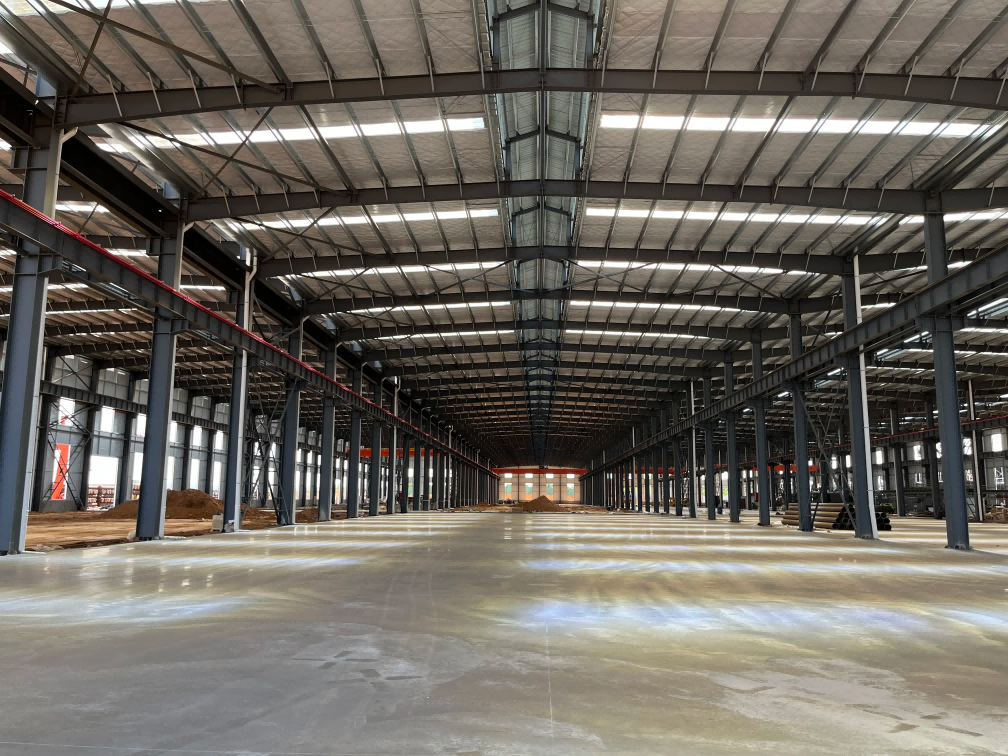
Quality control for steel structures begins with the materials. Construction teams must strictly implement material inspection protocols upon delivery, verifying the specifications, strength, toughness, and other properties of the steel to ensure they meet design requirements. During factory prefabrication, standardized processes must be adopted for steel components, with rigorous checks such as weld inspection and dimensional correction to prevent defective products from entering the construction site. Some projects have introduced QR code traceability systems to enable full-process information management from production to installation.
2. Technology First: Precision Construction and Process Innovation
During the hoisting and installation phases, construction teams must rely on BIM (Building Information Modeling) technology for full-process simulation to optimize node connections and hoisting sequences, avoiding errors and omissions on-site. Critical procedures such as high-strength bolt connections and welding must be performed by certified personnel, with quality inspections conducted using methods like ultrasonic and magnetic particle testing. In recent years, digital technologies such as 3D laser scanning and drone inspections have also been increasingly applied to monitor construction deformation and ensure precision control.
3. Personnel and Management: Professional Teams and Standardized Operations
Steel structure construction places high demands on personnel expertise. Construction units must regularly organize specialized training in welding, hoisting, and other areas, while strengthening technical briefings and safety education. Additionally, the implementation of a "three-inspection system" (self-inspection, mutual inspection, and specialized inspection) and the establishment of quality management records ensure traceability of issues and accountability. Some large-scale projects also involve third-party inspection agencies to independently evaluate critical stages.
4. Environment and Safety: Contingency Plans for Complex Working Conditions
During construction, environmental factors such as temperature and wind must be carefully considered for their impact on steel structures. For example, welding parameters must be adjusted under high or low-temperature conditions, and hoisting operations must be suspended during strong winds. Furthermore, real-time monitoring equipment is used to track structural stress and deformation, with contingency plans in place to ensure construction safety and quality stability.
5. Industry Collaboration: Standard Improvement and Strengthened Supervision
Industry regulatory authorities have continuously updated steel structure construction standards in recent years to promote standardized quality control. The newly revised Code for Acceptance of Construction Quality of Steel Structures in 2023 further clarifies requirements for weld quality, corrosion protection, fire resistance, and other aspects. Meanwhile, measures such as "random inspections and public disclosure" and lifelong responsibility tracing for projects have established a comprehensive supervision system covering design, construction, and supervision.
Related Posts
- ▶ 20 Days to Complete a 70-Year-Old Wooden Roof Renovation! Steel Structure Prefabricated Assembly Technology Illuminates the Renewal of Old Residential Communities in Beijing
- ▶ Global Steel Structure Market Reshaped, High-Value-Added Green Steel Emerges as New Export Powerhouse
- ▶ How to Ensure Construction Quality of Steel Frame Structure Buildings During the Construction Process?
Online Message
TOUCH WITH US